

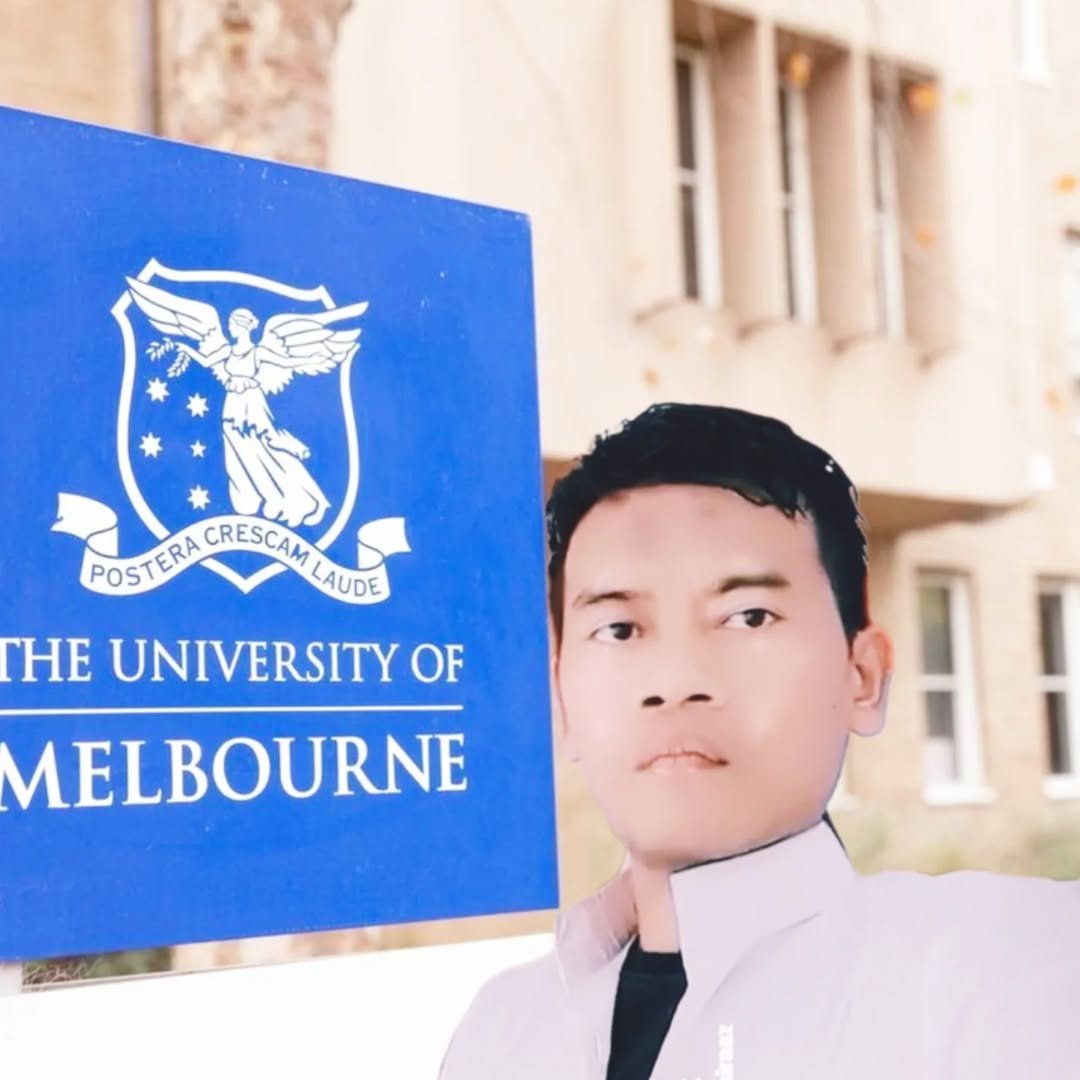
By Bahrudin El-Shiraaz
Writer and Observer of Contemporary Islamic Thought and National Issues
detikhukum.id, || Indonesia often speaks of its aspiration to become a developed nation. We discuss infrastructure development, investment, industrial downstreaming, digital transformation, and various other strategic programs. Yet one fundamental question is often overlooked: who will manage and sustain all this progress?
Magnificent buildings can be erected within a few years. Highways can be completed within a single government term. Industrial zones can be established with sufficient capital. However, developing exceptional human capital requires far more time. History has shown that no nation has ever become a global power without making substantial investments in education.
Japan rose from the devastation of World War II through an educational revolution. South Korea, once considered a poor country, transformed itself into a major economic power by prioritizing the quality of its human resources. Singapore, despite its limited natural resources, became a global financial and commercial hub because of its commitment to education and talent development.
Indonesia is not lacking in natural resources. The challenge lies in producing human capital capable of managing those resources effectively, innovatively, and competitively on a global scale.
This is where international education becomes crucial. Studying at a world-class university is not merely about prestige or personal status. More importantly, it provides access to advanced knowledge, a strong academic culture, rigorous research practices, and global networks that can shape future leaders.
Students who study in an international environment develop the ability to think critically, engage in open discussions, respect differing viewpoints, and seek solutions based on evidence and data. They learn not only from textbooks but also from interactions with academics, researchers, and fellow students from diverse cultural and national backgrounds.
Today’s world is evolving at an unprecedented pace. Artificial intelligence, renewable energy technologies, biotechnology, cybersecurity, and the digital economy are reshaping civilization. Nations that fail to keep up with scientific and technological progress risk being left behind. Conversely, those that successfully master knowledge and innovation will become influential players in the global arena.
Therefore, sending more Indonesian students to the world’s leading universities should not be viewed as an expense. Rather, it is one of the most strategic long-term investments a nation can make. The benefits may not be immediately visible within a year or two, but their impact can extend across generations.
However, international education should not end with individual achievement. Academic qualifications must ultimately be translated into meaningful contributions to the nation. Indonesia needs scientists who establish world-class research centers, economists who strengthen national economic resilience, engineers who drive innovation, and leaders who understand global challenges without losing sight of Indonesia’s identity and interests.
The greatest challenge facing Indonesia is not a shortage of intelligent people. The country has many outstanding graduates. The real challenge is creating an ecosystem that connects intelligence with public service, knowledge with policymaking, and personal achievement with national development.
Ultimately, world-class education is not an end in itself. It is a means of building a more advanced, stronger, and globally competitive Indonesia. The true measure of educational success is not the number of degrees earned, but the extent of the positive impact created for society.
If Indonesia aspires to become a world-class nation, it must begin with world-class education. History has consistently demonstrated that great nations are not built on good fortune alone; they are built through sustained investment in knowledge and human development.
Constructing buildings may take months. Building a civilization takes generations. And outstanding generations are born from outstanding education.
A world-class Indonesia will not emerge from ambitious dreams alone, but from the courage to cultivate exceptional people capable of turning those dreams into reality.
DH/Thoha/red